The geodesic distance between you and I
Author‘s note (is this AO3? LOL): Two posts in the same month? A miracle! Another good title for this post would be You Can’t See Everything, after the much-discussed Nathan Fielder Elizabeth Holmes documentary now out.
In my early 20s, I got into a lot of fights on the internet with people who presented themselves as well-read, woke social justice warriors, or activists, whatever you wanna call ’em. I still remember very vividly a time when somebody knocked on my DMs explaining to me the nuances of using the word perempuan versus wanita: how wanita came from the Javanese wani ditata, and perempuan was more mulia in a sense, and that I should be CONSCIOUS about the terminology I was using. I remember, at that time, thinking to myself that I had bigger fucking problems to deal with than diction. I needed to make sure I survived that month and year. I felt awkward and gangly, with my thoughts poking out in random places, everything out of order.
Now that I'm older, lived life a little more, started to crawl out of my hermit shell, I realize that there was something between me and these folks I was meeting online that we did not have in common at all: perspective. My vantage point was that of a teen mother, essentially orphaned in a foreign/mother country with no parental or familial support. Yes, I had the privilege of fluent English, and yes, I did kind of live in Jabodetabek, but in everything else I was so far apart from my “moots”.
I can‘t say that they lacked perspective. Theirs simply differed from mine.
Here‘s an image that, I think, illustrates the polemic quite well.
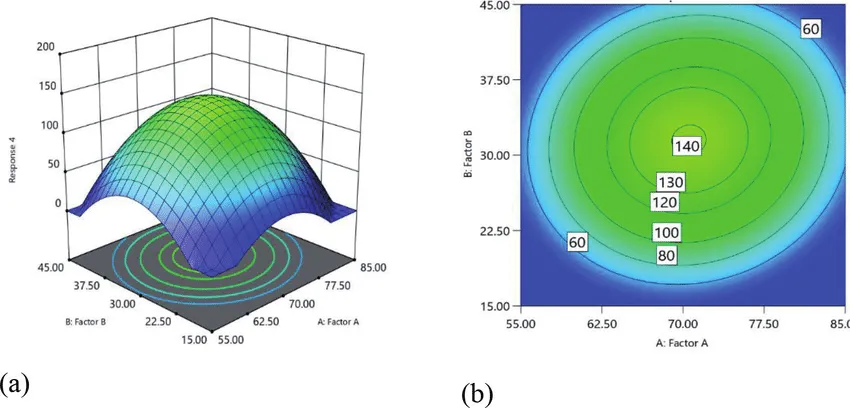
Image B, you’ve got a 2D map of a surface. Image A is that same exact surface expanded into 3 dimensions. On the right you’ve got Euclidean distance — the straight, 2D line from point A to B. Blink and you’re there. But rub the dust out of your eyes and you’ll find on the left, the geodesic distance — the larger measurement from point A to B that accounts for the vertical dips and lifts in the surface. The dimensional leap reveals treacherous terrain rife with opportunities for misunderstanding.
The internet conceals the true distances of things. Ingenues in this realm — especially those who grew up in the golden era of the Internet, before ads infested the place — assume that everyone is a friendly neighbour. The meadows look pristine.
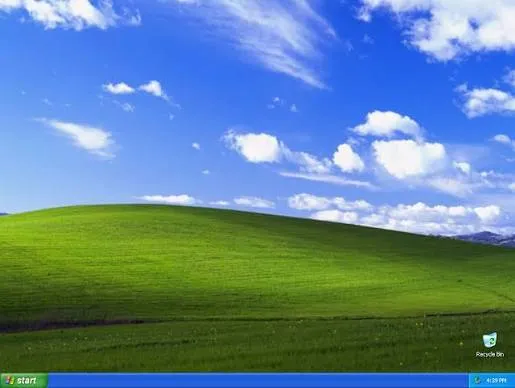
You think you‘d be able to stretch your head out the window and shout “good morning” to your neighbours and that they‘d be close enough to shout it back, that they were so close you could almost taste ‘em (hi, Natasha Bedingfield).
It’s not true.
By their very nature, social media algorithms disallow you from being perceived as a whole and complete person, with your own thoughts and feelings and personal history and personal trauma. The human brain, trawling the mires of the internet, cannot absorb the amount of information needed to accurately assess the nuance of each small digital interaction. Maybe back then when the Internet was slower it was possible, but now, this homuncular world rewards incendiaries and hot-hot-hot reactions. There are too many of us and our context windows have been zapped from all that doomscrolling.
Now everybody is trying to beat each other to be the first to get a viral tweet or the most liked post. Now everyone is casually cruel, like this:
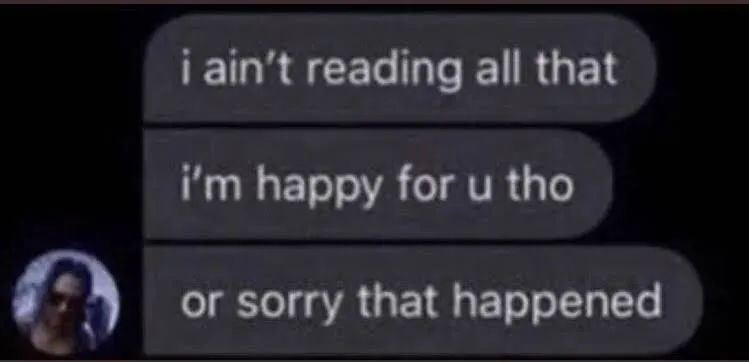
For so long I couldn‘t understand why people I trusted could be so mean when talking about me. In retrospect, it all makes sense. I fit that image of an online “SJW”, I parroted some of the most popular talking points. I was more easily swayed back then than I am now. I had pink hair, goddamnit, and wrote thinly veiled metaphors containing mangosteen. Because I seemed to “fit in“, these people, who had never actually met me or had a proper conversation with me in person, perceived the distance between us as shorter than it really was.
Upon finding out we were much farther apart than either of us realized, there was significant disillusionment, perhaps even disgust. They could not reconcile their mental image of me with what they felt were my “misaligned” or aberrent arguments. Another, more drastic illustration:
![Anothe example of Euclidean vs. geodesic distances]https://bear-images.sfo2.cdn.digitaloceanspaces.com/flowerpeko/img_3619.webp)
I‘m guilty of this too, by the way. Looking back, there have been so many people that I dismissed as horrible or rude or annoying — due to maybe the way they typed, their choices of punctuation, their, as best as I could perceive it, “tone” — whom I then met in person and realized were completely, totally fine and friend-worthy.
The solution to all… this, is to get offline a lot more. Those little movements and gestures, the tilts of the head, the hesitation or lack thereof when speaking, the sing-song melodies and timbres of the human voice, all these things acquired across time-space, each have a morphology of their own. To hell with the X-Y scatter charts; you must traverse boldly across the many mountains and valleys and caverns. You must make your own map.
- Everybody on the internet is only ever going to perceive a sliver of you.
- On the internet, you can only ever present a sliver of who you are.
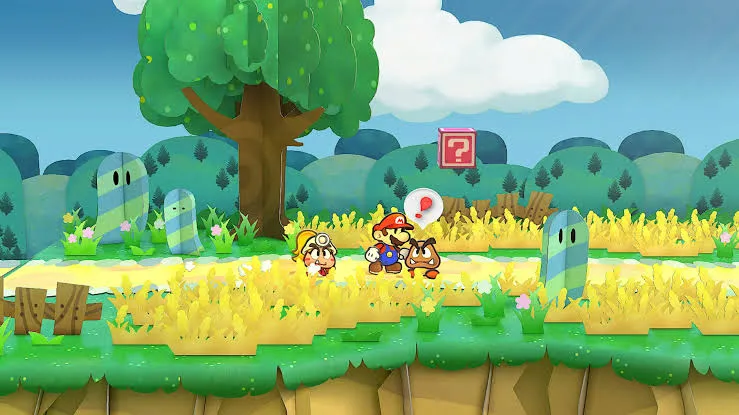
- Therefore, you don‘t need to expend so much energy desperately, anxiously, preemptively defending yourself.
- IE, stop forcing geodesic conversations/interactions into a flat plane. (Paper Mario!)
- Though you loathe someone on the Internet, you might adore them upon meeting them IRL. Tread carefully.
- Someone‘s judgment of you based on the fraction of you they know neither determines nor defines who you are. It’s simply good data. Take it lightly, don‘t act so wounded.
- The people who you meet offline, those who you interact with one-on-one, will be able to accept that there are pleasant and not so pleasant things about you as a person. And the best ones will let you know kindly when you’re being an idiot.
(This all has me thinking about avoidant vs assertive vs. anxious attachment. A less anxious person could maybe have dismissed this all earlier on simply by self-affirming, “They don’t know me”, but I’ve always struggled with the fear that the “audience” works like mirrors, catching my unkempt hairdo, mismatched clothing, unattached buttons — i.e., revealing starkly all my social faux pas I am unaware of. That’s for another day).
(Another thought: even Nathan Fielder had trouble reading/misreading Elizabeth Holmes, and that was after nearly a month of living in her guest house! Imagine how further obscured we are through the gauzy veil of the WWW).